
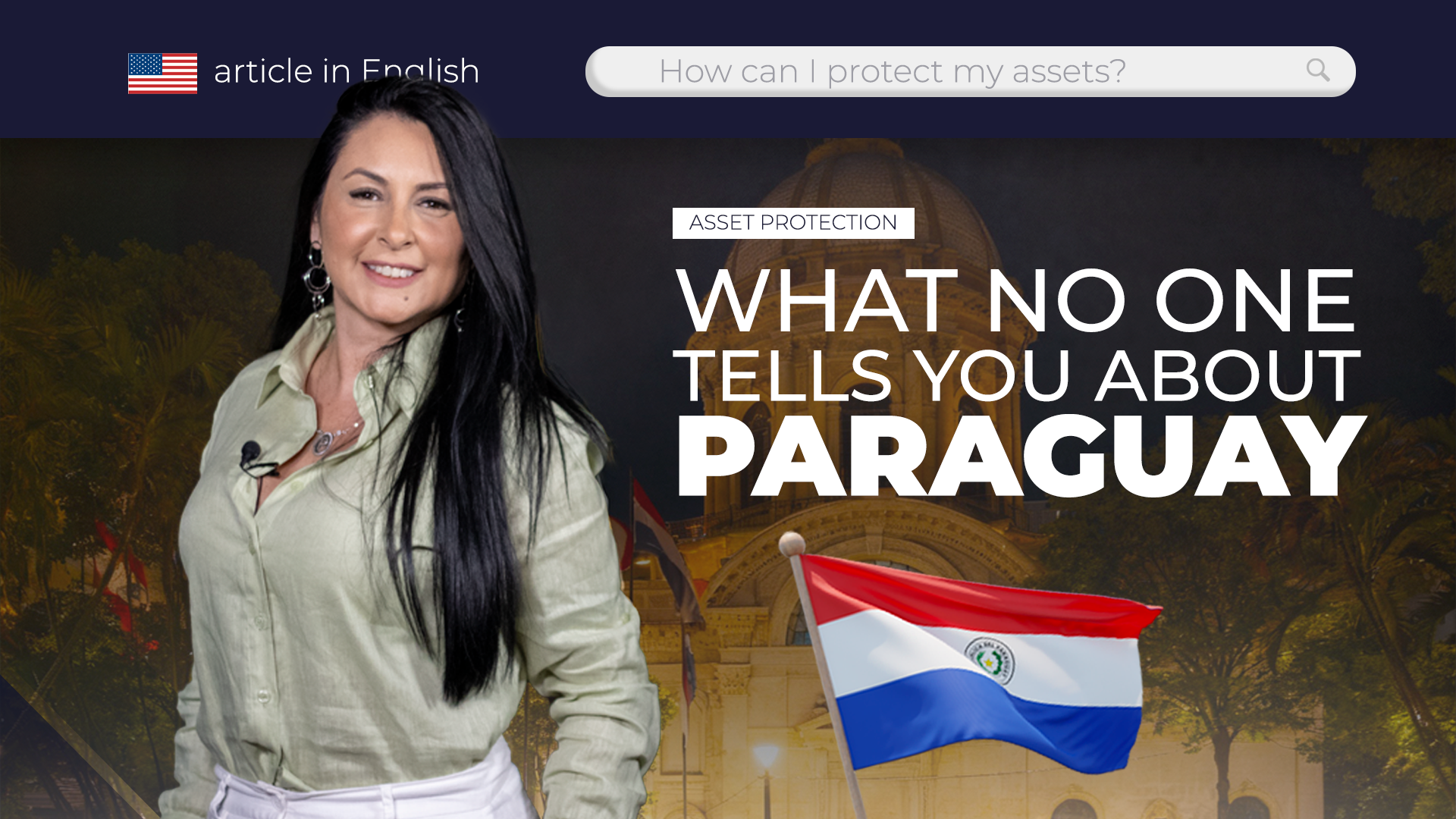
Paraguay has gained visibility as one of the most competitive jurisdictions in Latin America. But its incentives, especially those under the Maquila Law, do not work for every business. Before deciding to invest, it is essential to understand which activities truly thrive in the country, which do not, and how the legal requirements operate, including the often overlooked rule requiring forty percent Paraguayan integration.
Activities That Truly Succeed in Paraguay
The Maquila Law was created to strengthen production and exports. For this reason, Paraguay grants its most significant benefits only to companies capable of generating real value within the country, not those that operate in a merely symbolic way.
The most advantageous activities are:
✅ Manufacturing and industrial assembly
✅ Technology and software development aimed at foreign markets
✅ International services and BPO
✅ E commerce operations with physical structure and integrated logistics
✅ Regional distribution centers
✅ Logistics operations serving the Mercosur region
✅ Agro industrial activities with processing
✅ Importation for transformation and re exportation
These sectors prosper because they align with the country’s industrial policy, which requires job creation, local economic activity, and export driven operations.
And here lies one of the most important, and least publicized, requirements: for a project to be approved under the Maquila regime, the company must ensure that at least forty percent of the production process involves Paraguayan inputs, labor, infrastructure, or services.
This minimum national integration percentage is decisive.
It prevents companies from using Paraguay as a mere fiscal address and ensures that the country remains competitive within a sustainable economic model.
When Paraguay Is Not Worth It
It is common to see entrepreneurs excited about the one percent benefit and believing that any activity can fit into the regime. But this does not hold up in practice.
Paraguay is not advantageous when:
⚠️ The company operates exclusively in the domestic market
⚠️ There is no transformation, industrialization, or value added
⚠️ The model does not meet the minimum forty percent national integration requirement
⚠️ The service is not exportable
⚠️ The operation is purely commercial, with reduced margins
⚠️ The business does not meet the criteria of the Ministry of Industry and Commerce
In these cases, the company does not qualify for the Maquila regime. And without qualification, there is no benefit.
The Bureaucracy Few People Talk About
Although Paraguay is an investor friendly country, it requires organization and compliance.
Every company with foreign shareholders must appoint a Legal Representative domiciled in Paraguay.
This individual is responsible before tax and corporate authorities, receiving notifications and fulfilling official obligations. Without this representative, the company cannot operate.
To access the Maquila regime, the level of requirements increases significantly. It is necessary to:
📍 Submit a detailed project
📍 Demonstrate production capacity and local structure
📍 Integrate at least forty percent of Paraguayan inputs or services
📍 Undergo technical analysis by the Ministry of Industry and Commerce
📍 Obtain approval from the National Maquila Council
📍 Comply with traceability and documentation standards
For this reason, although straightforward, Paraguay does not allow improvised operations.
The country protects its model with technical rigor.
Why Professional Analysis Changes Everything
Many companies try to force their way into the Paraguayan model and fail precisely where the law is most strict, transformation, value added, and national integration.
This is why expansion should not be guided by commercial offers, but by deep, technical analysis.
With operations in twenty nine jurisdictions and more than twenty years implementing foreign companies abroad, Priscila Campos has become a reference in international structuring. Her work goes far beyond opening companies, she identifies when Paraguay creates real advantage, when it does not, and when it is possible to adapt the operation to comply with legal requirements, including the forty percent Paraguayan content rule.
Her technical insight prevents errors, aligns expectations, and ensures that expansion occurs within legal boundaries.