O agro brasileiro já lidera em produção, mas ainda precisa se posicionar como protagonista na captura de valor internacional.
Estar presente na Agrishow 2026 é entender, com precisão, onde o Brasil realmente está no tabuleiro internacional e, principalmente, onde ainda pode chegar.
O agro brasileiro não é mais uma promessa emergente. É um ativo consolidado no centro das decisões globais.
Essa leitura não nasce dentro do país. Ela é reiterada por análises de Financial Times, Bloomberg e The Economist, que posicionam o Brasil como um dos poucos países com capacidade real de expandir produção em escala e sustentar a segurança alimentar global.
Os dados sustentam esse protagonismo.
O Brasil responde por cerca de metade das exportações globais de soja. Lidera o mercado internacional de carne bovina e proteína de frango. Mantém posição dominante no açúcar e amplia sua relevância em milho e algodão. Ao mesmo tempo, avança em cadeias de maior valor agregado, acompanhando uma demanda global cada vez mais orientada por qualidade, rastreabilidade e sustentabilidade.
Dentro desse contexto, produtos como o açaí deixam de ser regionais para se tornarem símbolos de uma nova fronteira do agro brasileiro, aquela que conecta identidade, valor e mercado internacional.
O crescimento da demanda por alimentos funcionais e saudáveis posicionou o açaí como um dos produtos brasileiros mais reconhecidos fora do país, especialmente nos Estados Unidos e na Europa. Ainda assim, a maior parte desse potencial segue pouco estruturada.
E é exatamente nesse ponto que reside a diferença entre produzir e capturar valor.
ESCALA PRODUTIVA GLOBAL E OPORTUNIDADE DE EXPANSÃO INTERNACIONAL
O agro mundial entrou em uma nova fase.
Não basta mais produzir em escala. É necessário operar com padrão internacional.
O mercado global deixou de ser uma oportunidade e passou a ser uma exigência competitiva.
Investidores internacionais, fundos e grupos estratégicos têm direcionado capital para o Brasil com uma lógica clara, acesso a produção com capacidade de organização.
Porque o que está em jogo não é apenas volume.
É previsibilidade
É governança
É estrutura
Na prática, isso significa que o produtor que continua operando exclusivamente no mercado interno permanece exposto à volatilidade. Enquanto aquele que estrutura sua operação para exportação passa a acessar novos níveis de margem, estabilidade e crescimento.
E aqui existe um ponto crítico que ainda é subestimado por grande parte dos produtores brasileiros:
certificação não é custo. É acesso direto aos mercados mais valorizados do mundo
Para atender mercados como Europa e Estados Unidos, não basta produzir bem. É necessário comprovar conformidade com padrões internacionais rigorosos.
Na Europa, certificações como GlobalG.A.P. são amplamente exigidas, garantindo boas práticas agrícolas, rastreabilidade e segurança alimentar. Além disso, exigências ligadas à sustentabilidade, como critérios ESG e normas ambientais rigorosas, vêm ganhando ainda mais peso nas negociações internacionais.
Nos Estados Unidos, a adequação às normas da Food and Drug Administration é fundamental, especialmente com base no Food Safety Modernization Act, que exige controle preventivo, rastreabilidade e padrões elevados de segurança alimentar.
Outras certificações estratégicas como HACCP e ISO 22000 reforçam a credibilidade da operação e ampliam o acesso a mercados mais exigentes.
Sem essas adequações, o produto encontra barreiras comerciais, perde competitividade ou simplesmente não entra.
O produtor que se antecipa e estrutura sua operação com base nesses requisitos não apenas exporta. Ele negocia melhor, acessa mercados premium e reduz riscos comerciais.
Exportar não começa na venda.
Começa na preparação.
LIDERANÇA FEMININA E VISÃO ESTRATÉGICA NO AGRO DE ALTA PERFORMANCE
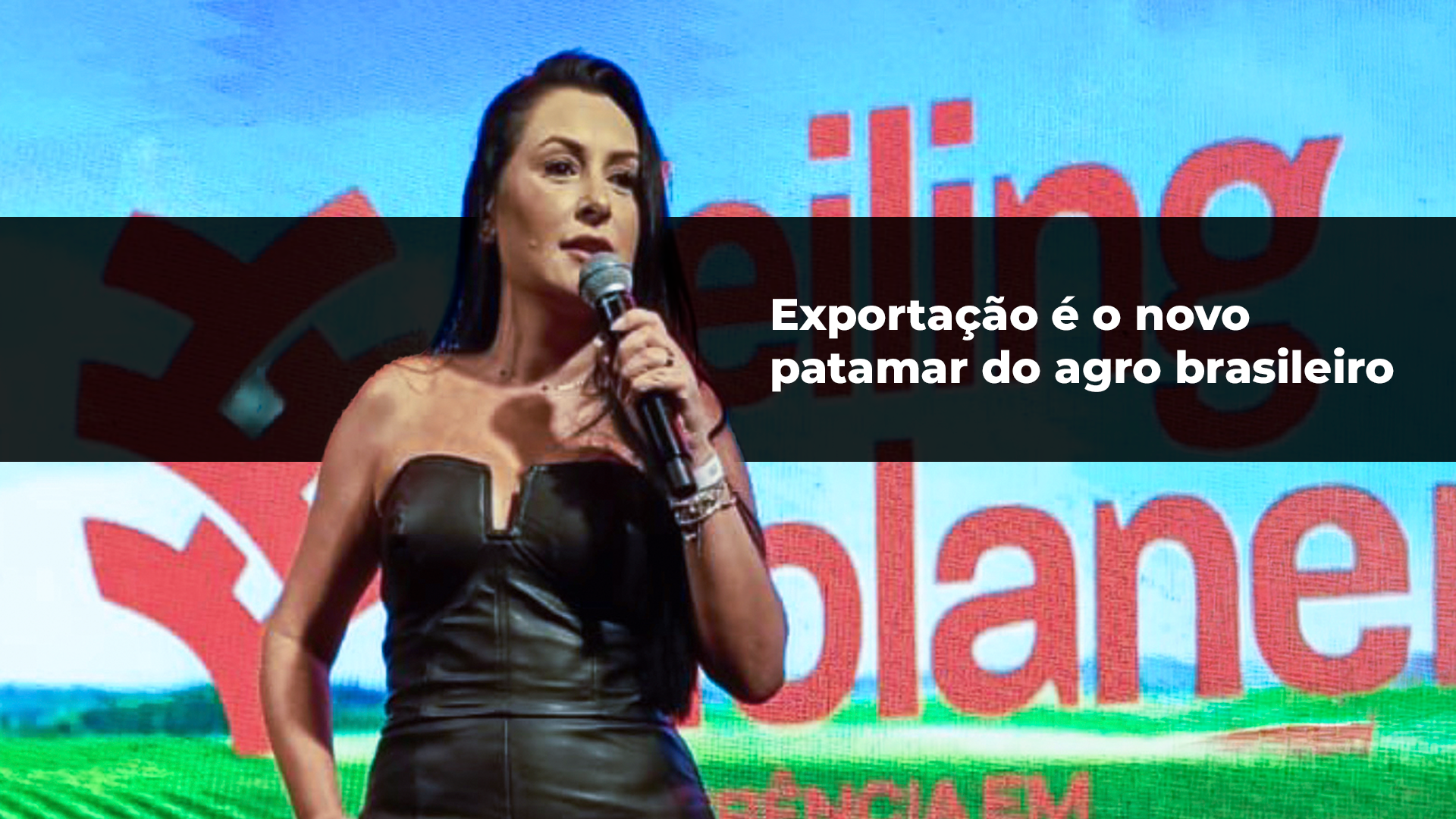
Um dos movimentos mais relevantes observados na Agrishow foi a consolidação de uma nova liderança dentro do agro brasileiro.
A presença feminina deixou de ser periférica para se tornar estratégica.
Mulheres liderando operações, tomando decisões de investimento, estruturando negócios e conduzindo processos de internacionalização.
Isso não representa apenas diversidade.
Representa evolução.
A liderança feminina no agro tem contribuído para uma abordagem mais integrada, com foco em gestão, governança e visão de longo prazo, exatamente os pilares exigidos pelo mercado internacional.
O agro que cresce hoje não é apenas o mais produtivo.
É o mais bem estruturado.
É o mais bem posicionado.
É o que entende que o campo deixou de ser apenas produção e passou a ser estratégia.
O Brasil já ocupa uma posição central no agro global.
Mas ainda opera, em muitos casos, aquém do seu próprio potencial.
Existe uma distância clara entre aquilo que o país produz e o valor que efetivamente captura no mercado internacional.
E essa distância não será reduzida com mais produção.
Será reduzida com mais estrutura.
O mundo já tomou sua decisão.
O Brasil é parte essencial da solução.
Agora, a decisão que fica é individual.
Você está preparado para atender o padrão internacional ou ainda está produzindo apenas para o mercado local
Priscila Campos
CEO do Grupo International
Especialista na estruturação de empresas estrangeiras no Brasil
Representante legal de investidores internacionais
#agronegocio #exportacao #agroglobal #investimentointernacional #compliance